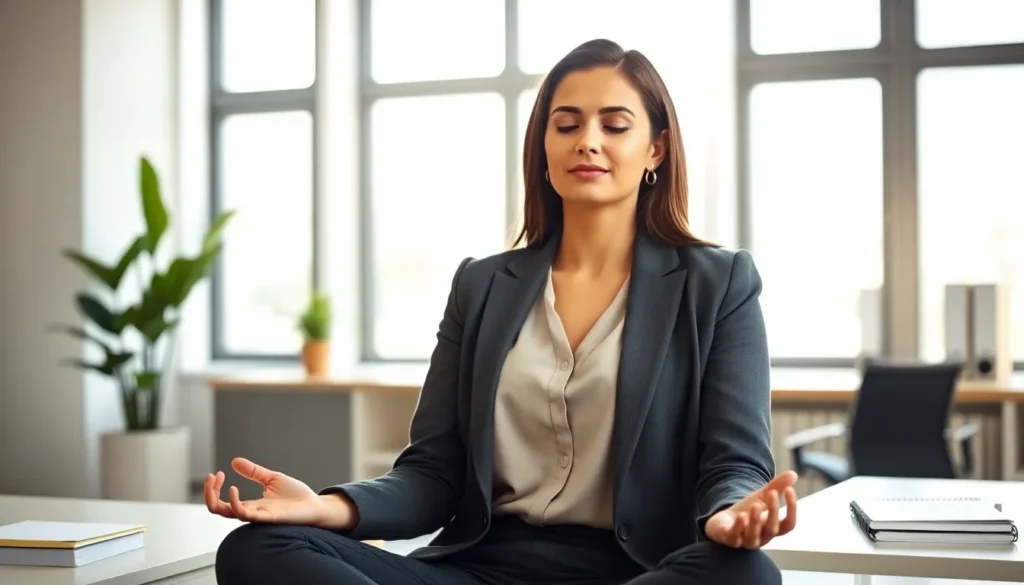

A mindfulness practices guide can transform how people handle stress, focus, and emotional balance. Mindfulness means paying attention to the present moment without judgment. It sounds simple, but most people spend their days on autopilot, thinking about yesterday’s mistakes or tomorrow’s deadlines.
Research from Harvard Medical School shows that regular mindfulness practice reduces anxiety and improves attention span. The benefits don’t require hours of meditation or expensive retreats. Even five minutes a day can make a noticeable difference.
This guide covers practical mindfulness techniques anyone can start using today. It explains what mindfulness is, how to practice it, and how to stick with it long-term.
Table of Contents
ToggleKey Takeaways
- A mindfulness practices guide can help reduce stress, improve focus, and enhance emotional regulation—even with just five minutes of daily practice.
- Breathing exercises and body scan meditations are the foundational techniques beginners should master first.
- Building a sustainable mindfulness routine works best when you start small and attach practice to an existing daily habit.
- Your mind wandering during practice is normal—bringing attention back each time is the actual skill you’re building.
- Common obstacles like racing thoughts, feeling anxious, or falling asleep have simple solutions and shouldn’t discourage you from continuing.
- Commit to at least eight weeks of consistent practice before evaluating whether mindfulness is working for you.
What Is Mindfulness and Why It Matters
Mindfulness is the practice of directing attention to the present moment. It involves noticing thoughts, feelings, and physical sensations as they happen, without labeling them as good or bad.
The concept comes from Buddhist meditation traditions, but modern mindfulness practices have been adapted for secular use. Dr. Jon Kabat-Zinn developed Mindfulness-Based Stress Reduction (MBSR) in 1979, and that program brought mindfulness into mainstream healthcare.
So why does mindfulness matter? The brain tends to wander. Studies suggest people spend nearly 47% of their waking hours thinking about something other than what they’re doing. This mental wandering often leads to rumination, worry, and stress.
Mindfulness practices interrupt that pattern. They train the brain to stay focused on what’s happening right now. Over time, this training changes how the brain processes emotions and responds to stress.
The benefits are well-documented:
- Reduced stress and anxiety: A 2014 meta-analysis found mindfulness meditation programs improved anxiety, depression, and pain.
- Better focus: Regular practice strengthens attention and working memory.
- Improved emotional regulation: People who practice mindfulness respond to difficult emotions more calmly.
- Physical health benefits: Some studies link mindfulness to lower blood pressure and better sleep quality.
Mindfulness isn’t about emptying the mind or achieving some perfect state of calm. It’s about awareness. The mind will wander, that’s what minds do. The practice is noticing when it wanders and gently bringing attention back.
Essential Mindfulness Techniques for Beginners
Starting a mindfulness practice doesn’t require special equipment or training. These two techniques form the foundation of most mindfulness practices and work well for beginners.
Breathing Exercises
Breathing exercises are the easiest entry point into mindfulness. The breath is always available, and focusing on it anchors attention to the present.
Basic breath awareness:
- Sit comfortably with feet flat on the floor.
- Close the eyes or soften the gaze.
- Breathe naturally, don’t try to control it.
- Notice the sensation of breath entering and leaving the body.
- When the mind wanders (it will), gently return attention to the breath.
Start with three to five minutes. That’s enough time to notice results without feeling overwhelmed.
4-7-8 breathing is another popular technique:
- Inhale through the nose for 4 counts.
- Hold the breath for 7 counts.
- Exhale slowly through the mouth for 8 counts.
- Repeat 3-4 times.
This technique activates the parasympathetic nervous system and helps calm the body quickly. It’s useful before stressful meetings, during moments of anxiety, or before sleep.
Body Scan Meditation
A body scan meditation involves moving attention through different parts of the body. This practice builds awareness of physical sensations that often go unnoticed.
How to do a body scan:
- Lie down or sit comfortably.
- Start at the top of the head. Notice any sensations, tension, warmth, tingling, or nothing at all.
- Slowly move attention down through the face, neck, shoulders, arms, chest, abdomen, hips, legs, and feet.
- Spend 10-30 seconds on each area.
- If tension appears, breathe into that area and imagine it softening.
Body scans typically take 10-20 minutes. They’re especially helpful for people who carry stress in their bodies, tight shoulders, clenched jaws, or tension headaches.
Both techniques build the same core skill: noticing where attention is and directing it intentionally. That skill transfers to daily life, making it easier to stay present during conversations, work, and stressful situations.
Building a Sustainable Mindfulness Routine
Knowing mindfulness techniques is one thing. Actually practicing them consistently is another. Most people start with enthusiasm and quit within weeks. A sustainable mindfulness routine requires strategy.
Start small. Five minutes daily beats 30 minutes once a week. The brain learns through repetition, not intensity. A short daily practice builds the habit faster than occasional long sessions.
Attach it to an existing habit. This strategy, called habit stacking, makes new behaviors easier to remember. Practice mindfulness right after morning coffee, during the lunch break, or before bed. The existing habit serves as a trigger.
Pick a consistent time. Morning works well for many people because willpower tends to be highest early in the day. But the best time is whatever time actually happens. Someone who’s exhausted in the morning might find lunchtime or evening more realistic.
Create a dedicated space. This doesn’t mean a meditation room with cushions and candles (though that’s fine). A specific chair, corner, or spot signals to the brain that it’s time to practice. The environment becomes associated with the activity.
Use apps and timers. Apps like Insight Timer, Headspace, or Calm provide guided meditations and track streaks. The tracking creates accountability. Watching a streak grow motivates continued practice.
Expect inconsistency. Missing a day doesn’t ruin everything. Missing a week doesn’t either. The goal isn’t perfection, it’s returning to the practice. People who succeed long-term are the ones who restart after every lapse.
After 2-3 weeks of consistent practice, mindfulness starts feeling less like a chore and more like a natural part of the day.
Common Challenges and How to Overcome Them
Every mindfulness practice guide should address what goes wrong. Knowing the obstacles in advance makes them easier to handle.
“My mind won’t stop racing.”
This is the most common complaint, and it reflects a misunderstanding. Mindfulness doesn’t stop thoughts. It changes the relationship with thoughts. A racing mind during practice is normal. Each time attention wanders and returns to the breath, that’s a successful repetition, like a bicep curl for the brain.
“I don’t have time.”
Time scarcity usually means priority scarcity. Everyone has five minutes. The real question is whether mindfulness feels important enough to claim those minutes. Starting with just two minutes removes the time excuse entirely.
“I feel more anxious when I try to meditate.”
Some people become more aware of anxiety when they slow down. This happens because mindfulness removes distractions that usually mask uncomfortable feelings. If this occurs, try shorter sessions, keep eyes open, or focus on external sounds instead of internal sensations. Walking meditation can also help.
“I keep falling asleep.”
Falling asleep during practice usually means sleep deprivation or practicing in a too-comfortable position. Try sitting upright instead of lying down. Practice earlier in the day when alertness is higher. And consider whether the body simply needs more rest.
“I’m not seeing results.”
Mindfulness benefits often appear gradually. Someone might not notice they’re less reactive until a coworker mentions it. Keeping a brief journal about mood, stress levels, and sleep quality can reveal changes that aren’t obvious day-to-day.
“It feels pointless.”
Skepticism is fair. Sitting still and breathing doesn’t seem like it should do much. But the research is clear, and millions of practitioners report real benefits. Give it eight weeks of consistent practice before deciding whether it works.