Mindfulness practices trends 2026 point toward a significant shift in how people approach mental wellness. The coming year promises fresh innovations and broader adoption across personal, professional, and community settings. From AI-driven meditation apps to outdoor mindfulness sessions, practitioners will find more options than ever before. This article explores the five major mindfulness practices trends 2026 will bring, and what they mean for anyone looking to build a calmer, more intentional life.
Table of Contents
ToggleKey Takeaways
- AI-powered meditation apps will personalize sessions based on stress levels, sleep patterns, and real-time biometric data in 2026.
- Workplace wellness programs are prioritizing mindfulness, with companies offering dedicated instructors, quiet rooms, and virtual sessions for remote teams.
- Wearable technology like smartwatches and EEG headbands will detect stress and guide users through breathing exercises with haptic feedback.
- Nature-based practices, including forest bathing and outdoor yoga, are gaining momentum as people seek mindfulness in green spaces.
- Community-centered mindfulness movements are expanding through local groups, online platforms, and school programs to combat isolation.
- These mindfulness practices trends 2026 reflect a shift toward personalized, tech-enhanced, and socially connected approaches to mental wellness.
AI-Powered Mindfulness and Personalized Meditation Apps
Artificial intelligence will reshape meditation in 2026. Apps like Calm, Headspace, and newer competitors are adding AI features that adapt to individual users. These tools analyze stress levels, sleep patterns, and user feedback to create custom meditation sessions.
Personalized meditation apps will offer real-time adjustments. If a user shows signs of anxiety through voice analysis or biometric data, the app shifts to calming breathwork. Someone struggling with focus receives a session built around concentration techniques. This level of customization marks a major step forward for mindfulness practices trends 2026.
AI also enables better accessibility. Voice-guided sessions now respond to natural language commands. Users can say, “I need help winding down after work,” and receive an appropriate guided meditation within seconds. Language translation features mean mindfulness content reaches non-English speakers more effectively.
The data privacy question remains important. Users should review how apps collect and store their personal information. Reputable mindfulness platforms are responding by offering transparent data policies and local storage options.
Expect subscription models to evolve as well. Many apps will offer tiered pricing based on AI feature access, with basic meditation content staying free.
Workplace Wellness Programs Embracing Mindfulness
Corporate wellness programs are making mindfulness a priority in 2026. Companies recognize that stressed employees cost money, through absenteeism, turnover, and reduced productivity. Mindfulness practices trends 2026 show employers investing in mental health resources at higher rates than previous years.
Midsize and large organizations are hiring dedicated mindfulness instructors. Some bring in weekly meditation sessions. Others offer on-demand access to mindfulness apps as part of employee benefits packages. A 2024 survey by the American Psychological Association found that 77% of workers reported work-related stress, pushing companies to act.
Mindfulness breaks during meetings are gaining acceptance. Short breathing exercises at the start of team calls help participants focus. Some companies designate quiet rooms or meditation spaces in their offices.
Remote workers benefit too. Virtual mindfulness sessions via Zoom or Teams let distributed teams participate together. This builds connection while supporting mental wellness across time zones.
Leadership training increasingly includes mindfulness components. Executives learn techniques for staying calm under pressure, making clearer decisions, and modeling healthy behavior for their teams. The return on investment appears in lower healthcare costs and improved employee retention.
Smaller businesses are following suit with scaled-down versions, free app subscriptions, monthly wellness stipends, or partnerships with local yoga studios.
Integration of Mindfulness With Wearable Technology
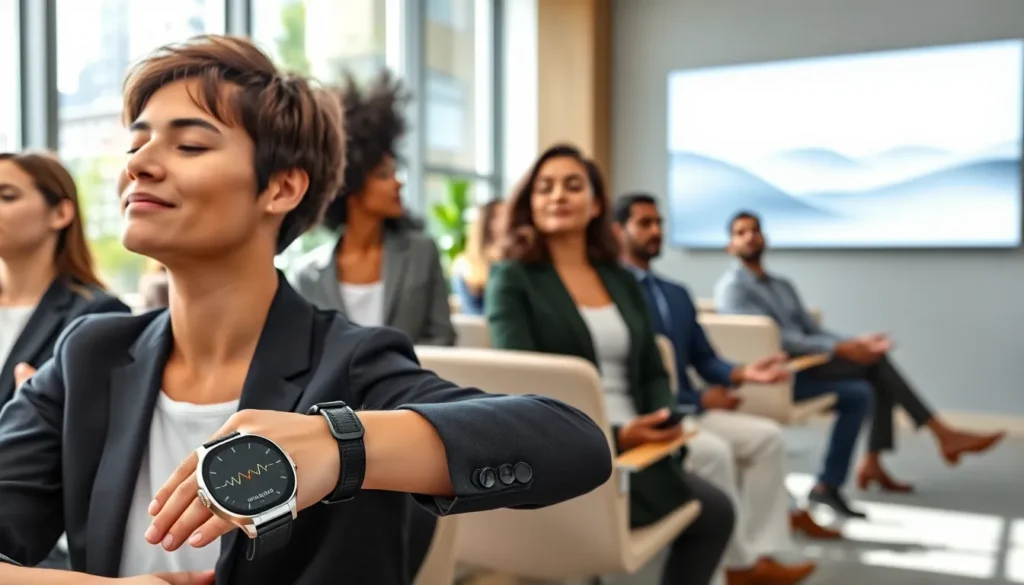
Wearable devices will play a bigger role in mindfulness practices trends 2026. Smartwatches, fitness trackers, and specialized meditation headbands now track stress indicators and prompt users toward calm.
Apple Watch, Fitbit, and Garmin devices already measure heart rate variability (HRV), a key stress indicator. In 2026, these features become more sophisticated. Devices detect elevated stress levels and send gentle reminders to breathe or take a break. Some offer haptic feedback that guides users through breathing patterns.
Meditation-specific wearables are expanding too. Devices like Muse headbands use EEG sensors to measure brain activity during meditation. Users receive real-time feedback on their mental state, helping them understand when they’ve achieved deeper focus. Newer versions track progress over weeks and months, showing improvement trends.
Sleep tracking integrates with mindfulness features. Wearables suggest evening wind-down routines based on the day’s stress data. Morning reports include recommendations for starting the day with a clear mind.
The combination of wearables and AI creates a feedback loop. Devices collect data, apps analyze it, and personalized recommendations follow. This cycle helps users build consistent mindfulness habits.
Battery life and comfort remain practical concerns. Manufacturers are addressing these with longer-lasting devices and lighter designs meant for all-day wear.
Nature-Based and Eco-Mindfulness Practices
Outdoor mindfulness is surging in popularity. Mindfulness practices trends 2026 show growing interest in sessions held in parks, forests, and gardens. Practitioners want to combine mental wellness with time in natural settings.
Forest bathing, the Japanese practice of shinrin-yoku, continues to spread globally. Guided forest bathing walks encourage participants to engage all five senses while moving slowly through wooded areas. Research published in Environmental Health and Preventive Medicine links forest bathing to lower cortisol levels and reduced blood pressure.
Urban dwellers seek green spaces for mindfulness. City parks host meditation groups on weekend mornings. Rooftop gardens and botanical centers offer midday sessions for office workers nearby.
Eco-mindfulness adds an environmental awareness component. Practitioners reflect on their connection to the natural world and consider their impact on it. This approach appeals to people who want their wellness practice to align with sustainability values.
Outdoor yoga and tai chi classes blend movement with mindfulness in open-air settings. Beaches, lakesides, and mountain trails serve as backdrops for these sessions.
Nature-based practices work well for those who find indoor meditation challenging. The changing scenery and fresh air provide sensory variety that keeps attention engaged. Seasonal changes offer new experiences throughout the year.
Community-Centered Mindfulness Movements
Group mindfulness is growing beyond individual practice. Mindfulness practices trends 2026 highlight community-based approaches that bring people together for shared meditation experiences.
Local meditation groups are forming in cities and towns across the country. These gatherings meet weekly in community centers, libraries, and places of worship. Participants range from beginners to experienced practitioners, creating spaces for mentorship and mutual support.
Online communities complement in-person groups. Platforms like Insight Timer host live group meditations with thousands of simultaneous participants. Discord servers and Facebook groups connect people with specific interests, mindfulness for parents, mindfulness for chronic pain, mindfulness for creativity.
Mindfulness retreats attract growing numbers. Weekend programs offer intensive practice without requiring extended time off work. Day retreats provide shorter immersions for those with tight schedules.
Schools are incorporating mindfulness into curricula. Students learn breathing techniques and simple meditation practices that support focus and emotional regulation. Teachers report calmer classrooms and better student engagement.
Healthcare settings use group mindfulness as well. Hospitals offer mindfulness-based stress reduction (MBSR) programs for patients with chronic conditions. Mental health clinics incorporate group meditation into treatment plans.
The community aspect addresses isolation, a persistent issue following the pandemic years. Shared practice creates connection and accountability that solo meditation sometimes lacks.