
Top mindfulness practices can change how you experience each day. They help reduce stress, improve focus, and build emotional balance. Mindfulness isn’t reserved for monks or meditation experts, it’s something anyone can learn with simple, consistent effort.
Research shows that regular mindfulness practice lowers cortisol levels and improves mental clarity. A 2023 study published in JAMA Internal Medicine found that mindfulness-based interventions reduced anxiety symptoms by 30% in participants. These aren’t abstract benefits. They translate to better sleep, clearer thinking, and calmer responses to daily challenges.
This guide covers the most effective mindfulness practices you can start using today. From meditation techniques to mindful movement, each method offers a practical way to bring more awareness into your life.
Table of Contents
ToggleKey Takeaways
- Top mindfulness practices like meditation and breathing exercises can reduce anxiety symptoms by up to 30% and lower cortisol levels.
- Breathing techniques such as box breathing (4-4-4-4) and 4-7-8 breathing activate your body’s calming response and work within minutes.
- Body scan meditation reveals hidden tension patterns and builds physical awareness in as little as 5-10 minutes daily.
- Mindful movement—including walking meditation, yoga, and tai chi—offers effective alternatives for those who struggle with seated practice.
- Integrating mindfulness into everyday activities like eating, listening, and single-tasking creates lasting change without requiring extra time.
What Is Mindfulness and Why Does It Matter
Mindfulness is the practice of paying attention to the present moment without judgment. It means noticing thoughts, feelings, and sensations as they happen, without trying to change them or push them away.
The concept has roots in Buddhist meditation, but modern mindfulness practices don’t require any religious belief. Jon Kabat-Zinn brought mindfulness into mainstream medicine in 1979 with his Mindfulness-Based Stress Reduction (MBSR) program at the University of Massachusetts.
Why does mindfulness matter? The brain physically changes with regular practice. Neuroscientists have documented increased gray matter in areas linked to learning, memory, and emotional regulation. Meanwhile, the amygdala, the brain’s fear center, shows reduced activity.
Practical benefits include:
- Better focus: Mindfulness trains attention like a muscle
- Lower stress: Regular practice reduces the body’s stress response
- Improved relationships: Greater awareness leads to better listening and communication
- Enhanced sleep quality: A calmer mind settles more easily at night
Mindfulness practices work because they interrupt automatic reactions. Instead of spiraling into worry or frustration, you learn to pause and respond with intention.
Meditation and Breathing Exercises
Meditation forms the foundation of most mindfulness practices. It doesn’t require special equipment, a specific location, or hours of free time. Even five minutes daily produces measurable results.
Basic Breath Awareness Meditation
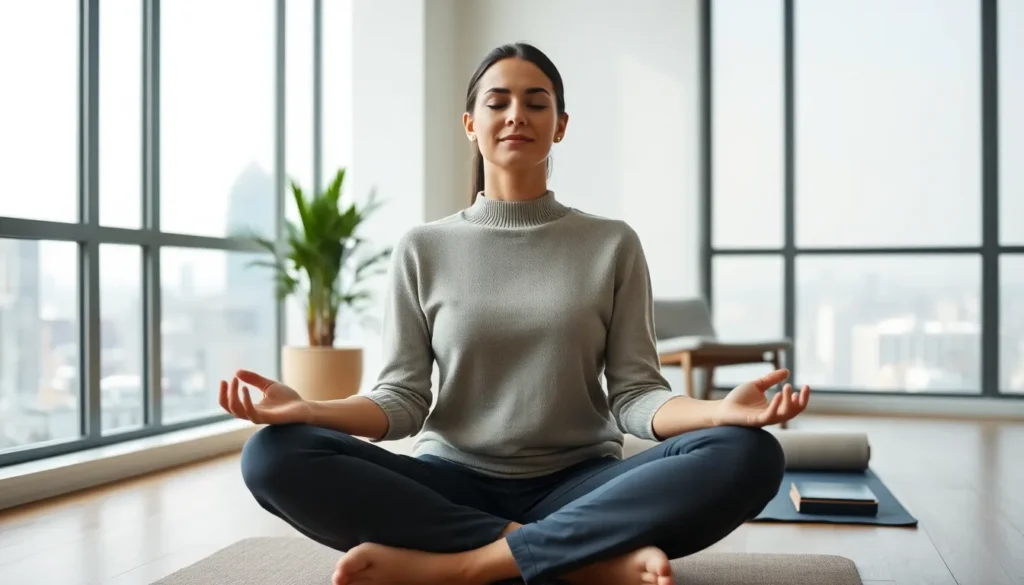
Sit comfortably with your back straight. Close your eyes or soften your gaze. Focus on your breath, notice the air entering your nostrils, filling your lungs, and leaving your body. When your mind wanders (and it will), gently return attention to breathing.
That’s it. The practice isn’t about stopping thoughts. It’s about noticing when attention drifts and bringing it back.
Box Breathing Technique
This mindfulness practice works especially well for acute stress:
- Inhale for 4 counts
- Hold for 4 counts
- Exhale for 4 counts
- Hold empty for 4 counts
- Repeat 4-6 cycles
Navy SEALs use box breathing to stay calm under pressure. It activates the parasympathetic nervous system and signals safety to the brain.
4-7-8 Breathing
Developed by Dr. Andrew Weil, this technique promotes relaxation:
- Inhale through the nose for 4 counts
- Hold breath for 7 counts
- Exhale through the mouth for 8 counts
The extended exhale triggers a calming response. Many people use this mindfulness practice before sleep or during anxiety spikes.
Body Scan and Progressive Relaxation
Body scan meditation builds awareness of physical sensations. Most people carry tension without realizing it, tight shoulders, clenched jaws, shallow breathing. This practice reveals those patterns.
How to Do a Body Scan
Lie down or sit comfortably. Starting at your feet, direct attention to each body part. Notice sensations without trying to change them. Warmth, tingling, pressure, pain, just observe. Move slowly upward through your legs, torso, arms, neck, and face.
A full body scan takes 15-30 minutes. Shorter versions (5-10 minutes) work well for beginners. Apps like Insight Timer offer guided body scan mindfulness practices for free.
Progressive Muscle Relaxation
This technique adds a physical component. Tense each muscle group for 5-7 seconds, then release. Feel the contrast between tension and relaxation. Work through major muscle groups:
- Feet and calves
- Thighs and glutes
- Abdomen and chest
- Hands and arms
- Shoulders and neck
- Face
Progressive relaxation helps people who struggle with “just sitting.” The physical action gives the mind something concrete to focus on while building body awareness, a core goal of mindfulness practices.
Mindful Movement and Walking
Not everyone thrives with seated meditation. Mindful movement offers an alternative that many find more accessible.
Walking Meditation
Choose a short path, 10-20 steps works well. Walk slowly, paying attention to each phase of movement: lifting the foot, moving it forward, placing it down, shifting weight. Notice the sensations in your feet, legs, and body.
Walking meditation can happen anywhere. A hallway, backyard, or park path all work. The speed matters less than the attention quality.
Yoga as Mindfulness Practice
Yoga combines physical postures with breath awareness. The goal isn’t flexibility or strength (though those come). It’s presence. Each pose becomes an opportunity to notice sensations, thoughts, and emotions.
Hatha and yin yoga styles particularly emphasize mindfulness. They move slowly and hold positions longer, allowing deeper awareness.
Tai Chi and Qigong
These Chinese practices involve slow, flowing movements. Research shows tai chi reduces stress and improves balance, especially in older adults. The movements require enough attention that the mind can’t easily wander to worries or to-do lists.
These mindfulness practices prove that stillness isn’t required for presence. Movement can anchor attention just as effectively as sitting.
Incorporating Mindfulness Into Everyday Activities
Formal practice matters, but informal mindfulness practices integrate awareness into daily life. This is where lasting change happens.
Mindful Eating
Most meals happen on autopilot, eating while scrolling, working, or watching TV. Mindful eating means paying attention to food. Notice colors, textures, smells, and flavors. Chew slowly. Put down utensils between bites.
This practice improves digestion and helps prevent overeating. It also transforms meals into moments of genuine pleasure.
Mindful Listening
In conversation, notice the urge to plan your response while the other person speaks. Instead, give full attention to their words, tone, and expression. Listen to understand rather than to reply.
Single-Tasking
Multitasking fragments attention and increases stress. Choose one activity and give it complete focus. When writing an email, just write. When washing dishes, just wash.
Mindful Transitions
Use routine transitions as mindfulness cues:
- Before starting your car, take three conscious breaths
- When your computer boots up, sit quietly and notice your body
- Before entering your home, pause at the door and set an intention
These micro-practices add up. They build the mental muscle of attention without requiring extra time in your schedule.