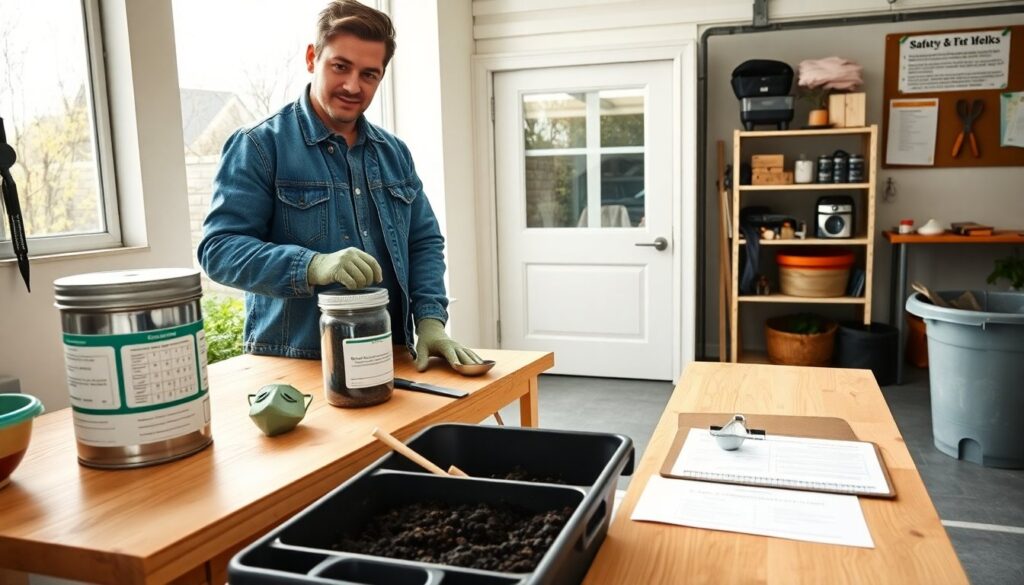

Askonkeräily is the Finnish term for collecting ash. The guide explains what askonkeräily means, why people collect ash, and how to do it safely. It gives practical uses for ash and notes legal and environmental points. The writing keeps steps clear and direct so readers can apply the methods at home or in community gardens.
Table of Contents
ToggleKey Takeaways
- Askonkeräily, the Finnish practice of ash collecting, provides valuable nutrients and alkaline properties beneficial for soil amendment and cleaning uses.
- Gardeners should use ash in moderation to raise soil pH and add calcium, testing soil beforehand to avoid harming acid-loving plants.
- Safe ash handling involves cooling fire residue for 48 hours, using metal tools and containers, and storing ash dry in ventilated areas away from children and pets.
- Collected ash serves diverse purposes such as compost enhancement, glass cleaning, degreasing, soap making, and pottery glazing.
- Avoid ash from treated or painted wood to prevent toxic chemical contamination, and always check local regulations on ash reuse and disposal.
- Responsible askonkeräily reduces waste, supports sustainable gardening, and requires adherence to environmental and legal guidelines for best results.
What Askonkeräily Means And Where The Tradition Comes From
Askonkeräily means ash collecting. The practice comes from regions where wood fires were common. People saved ash after heating, cooking, or metalworking. Rural families used ash for soil, soap, and cleaning. In Finland and nearby areas, ash recycling became part of daily life. The tradition spread because ash holds nutrients and mild alkaline properties. Historical records show farmers and artisans trading and storing ash. In modern times, askonkeräily appears in urban homesteading and permaculture groups. People revive the practice for cost savings, resource reuse, and low-tech solutions.
Why Collect Ash? Practical Benefits For Gardeners, Crafters, And Homemakers
Collectors keep ash for clear, practical reasons. Gardeners use ash to add calcium and raise pH in acidic soils. Crafters add ash to traditional soap recipes and for glazing in pottery. Homemakers use ash for cleaning glass, removing grease, and deodorizing fabrics. Askonkeräily saves money by replacing some store-bought amendments and cleaning products. It reduces waste by giving a use to fireplace and woodstove residue. Users must test soil pH and apply ash in moderation. Too much ash can harm acid-loving plants and lock out micronutrients. When handled correctly, ash offers a low-cost, effective set of uses.
How To Collect, Handle, And Store Ash Safely
People must treat ash as a potentially reactive material. They should wait until fire residue cools for at least 48 hours. They should scoop ash with a metal or heat-resistant shovel into a metal container. They should avoid plastic until ash cools fully. They should keep ash dry to prevent clumping and chemical changes. They should label containers with collection date and source fuel (wood, coal, or untreated pallet). They should store ash in a ventilated, covered area away from children and pets. They should wear a dust mask and gloves when moving large amounts. They should never mix wet ash with lime or strong acids.
Top Practical Uses For Collected Ash (Gardening, Cleaning, Soap Making)
Gardening: Mix ash into compost at low rates (about 1 part ash to 10 parts compost). Use ash as a light side-dress for cabbage, tomatoes, and root crops that prefer higher pH. Test soil pH before use. Cleaning: Make an ash paste by mixing ash with water to clean glass or polish metal. Use ash water as a mild degreaser for kitchen tools. Soap making: Use hardwood ash to make lye water by leaching ash with hot water and straining. Combine leached lye with rendered fat to create soap following a verified recipe and safety rules. Crafters: Add powdered ash to clay glazes for pottery or use ash as a texture medium in paper making. Household: Sprinkle dry ash on oil stains before sweeping it up, or use ash to neutralize odors in garbage bins.
Responsible Practices, Legal Considerations, And Environmental Impacts
Collectors should check local rules about ash disposal and reuse. Some municipalities ban yard spread of ash near waterways. Some waste services classify ash as nonhazardous only if it is free of treated wood. People should avoid ash from painted, stained, or pressure-treated lumber because it can contain heavy metals and chemicals. Environmentally, modest ash use can return minerals to soil and cut waste. Overuse can raise soil pH too much and harm sensitive plants and soil microbes. When giving or selling ash, label the source and date. When disposing, seal ash in certified bags if a service requires it. Overall, askonkeräily can reduce waste and aid small-scale gardening when people follow safety and legal rules.